
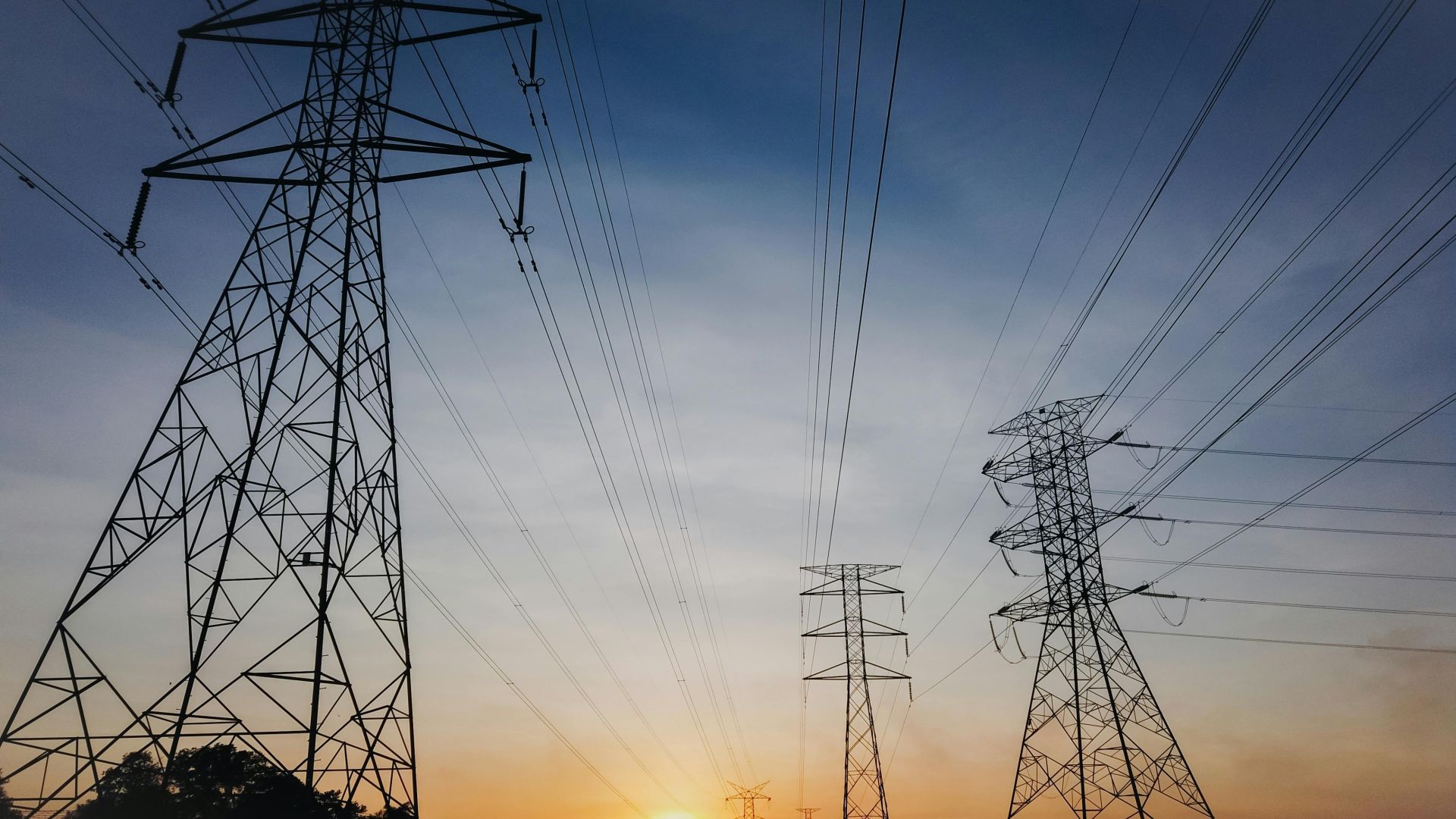
- Interregional transmission between MISO and SPP is a practical way to improve affordability and reliability by moving low-cost power to where it's needed most and by giving grid operators additional options when extreme weather hits
- The current CSP process may be undervaluing the benefits of proposed upgrades - Brattle's analysis found the CSP modeling can understate production cost savings which can lead to delayed investment decisions
- By acting on Brattle's recommendations, regulators can improve how benefits are measured, strengthen modeling assumptions and align cost allocation so projects can advance and deliver affordable, reliable results for ratepayers
Interregional transmission lines are one of the most practical tools grid operators have to help keep energy costs down while maintaining reliable service. The proposed new interregional lines between MISO and SPP are important not only for strengthening reliability and reducing the risk of outages across the region, but also for delivering benefits that matter to residents across the Southeast, including:
- Affordability for consumers: Supporting growing demand by helping move the lowest-cost energy to where it’s needed.
- Economic opportunity: Enabling commercial and industrial customers to plan and invest in the region, helping strengthen local jobs and economic growth.
- Resilience in extreme weather: Providing grid operators additional options to keep power flowing during heat waves, storms, and other severe events.
These aren’t some hypothetical benefits far off in the future: both MISO and SPP have experienced significant issues of affordability and reliability in the past five years.
In February 2021, Winter Storm Uri wreaked havoc on Texas and the south central United States. Oklahoma utilities like Oklahoma Gas & Electric, Public Service Oklahoma, and others secured enough natural gas to provide power during the two week deep freeze; however, utility direct pass through of fuel costs led to $2.8 billion in natural gas charges. To avoid issuing massive utility bills, some utilities opted to spread the costs over 25 years. Due to interest and other charges, Oklahoma ratepayers will end up paying closer to $5 billion for natural gas fuel purchased during Winter Storm Uri.
In spring 2025, both Shreveport and New Orleans experienced power outages. So called “blue sky” power outages cause real harm locally.
These sorts of costs are often underestimated or entirely ignored in transmission planning.
Beginning late last year, MISO and SPP began their latest Coordinated System Plan (CSP) process to evaluate opportunities to build interregional transmission between the two regions. In the past decade, no CSP process has successfully led to a new transmission project being built between the two regions.
In December 2025, Southern Renewable Energy Association (SREA) worked with Piq Energy to identify some potential transmission solutions for evaluation. To our knowledge, this is the first time an advocacy organization has successfully submitted transmission solutions into an interregional planning process.

In March, MISO and SPP presented the Core+ and Core portfolios of recommended transmission projects, including the projects Piq submitted on behalf of SREA. Through the stakeholder processes, the MISO and SPP teams conducted benefits analysis of the transmission solutions evaluated. The effort found that the larger Core+ portfolio resulted in higher reliability support, increased transfer capability, and more savings, but higher costs relative to the Core portfolio.

By the September MISO Board meeting, the interregional teams had honed in on a project that would better connect the Anthem substation near Tulsa, Okla., to the Dora substation near Fort Smith, and then onward to the Yell substation in Arkansas. The projects are estimated to cost approximately $1.6 billion, but would result in savings of $1.9-$2.8 billion. The Dora-Yell 500 kV project closely resembles one of the projects SREA submitted into the planning process, reflecting the value of our stakeholder participation in transmission planning.
While other projects did not make it across the finish line due to lower estimated benefits, SREA worked with the Brattle Group to evaluate the CSP process and make recommendations for the future.
MISO and SPP have already completed much of the foundational work needed to move interregional planning from identifying needs to evaluating actionable investments. Brattle’s report praises the regions for the work already completed, and addresses four key issue areas within the CSP and offers recommendations to help stakeholders consider practical next steps.
As noted previously, the models and tools being used for interregional transmission planning risk underestimating the value of additional transmission between regions. Simply put: the states are going to spend money one way or another. The regions can either proactively plan good transmission projects, or spend costs on power outages and higher utility bills.
A key finding from the Brattle report states:
“Based on these results, we estimate that production cost savings of upgrades between SPP South and MISO South are likely to be about three times higher than captured by the CSP simulations. If 2021 and 2022 are excluded from these historical averages, the difference between historical 2023-2026 prices and simulated 2034 and 2039 prices suggests that the CSP simulations understate production cost savings approximately by a factor of two.”
Key Recommendations
- The CSP evaluates a limited range of transmission benefits.
- The production cost modeling understates economic benefits.
- The proposed cost allocation does not reflect the full distribution of benefits.
- The proposed solutions may be undersized for future system needs.
Getting a transmission project reviewed and approved through the MISO and SPP processes - while a herculean task - is just the beginning of the approval processes. Beneficial transmission projects still face state-level review and regulatory approval, in addition to construction timelines. Strong, credible transmission planning processes help build the record of analysis and should enable better state review.
MISO and SPP are leading the way - and regulators in the region should finish the job. Interregional lines like the Anthem–Dora–Yell concept are exactly the kind of “pay now to protect later” infrastructure that strengthens affordability, resilience, and reliability. The next step is clear: support adjustments that make CSP outcomes decision-grade for state review, and move the region toward timely, transparent approval so communities aren’t forced to absorb avoidable outages and price spikes that stronger transmission could prevent.


