
When it comes to building the energy grid of the future, Kentucky has a golden opportunity - and a clear choice. Will utilities embrace competition to bring the best, lowest-cost solutions to ratepayers, or will they stick to a self-build status quo that risks overpaying for technologies?
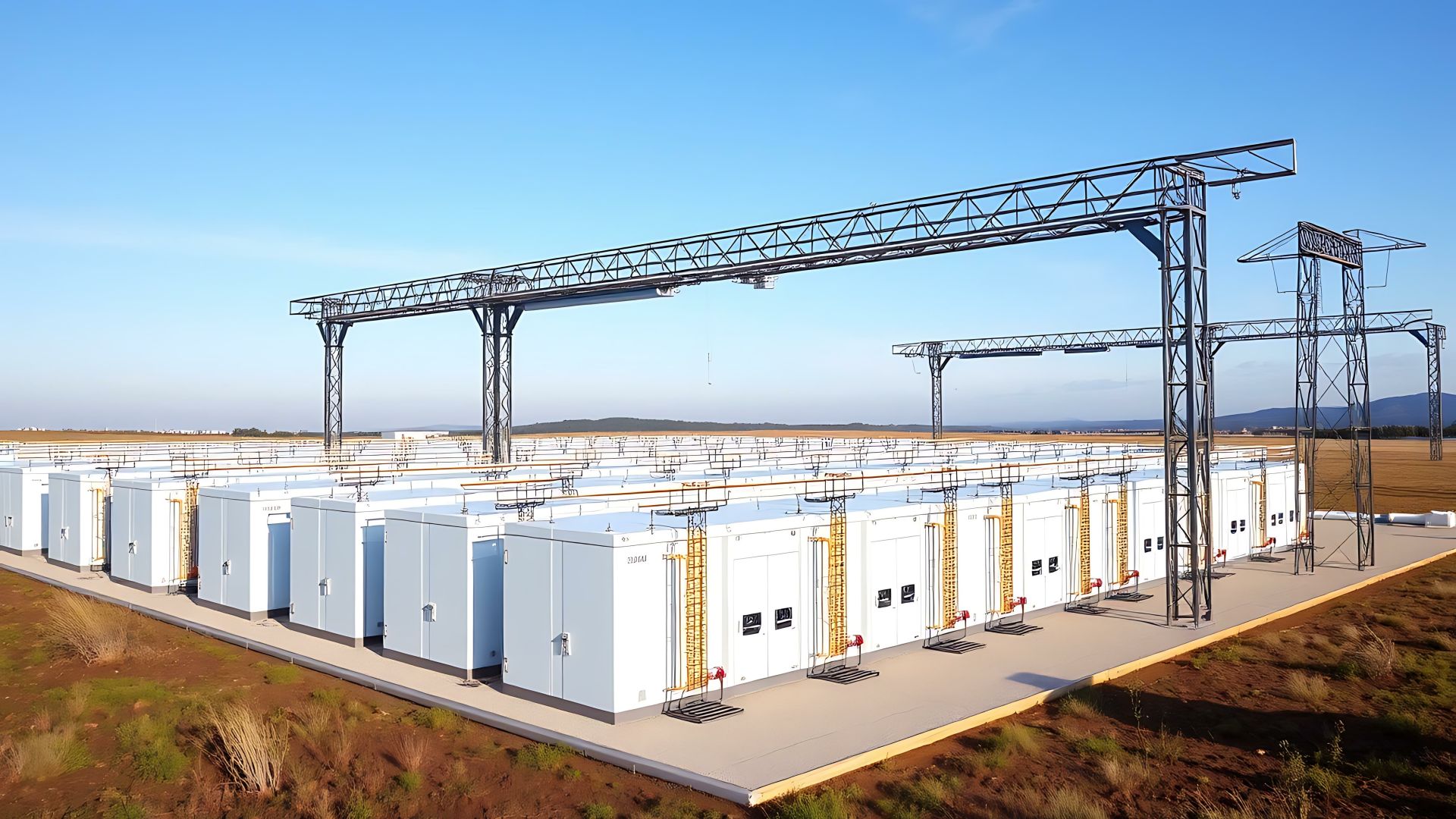
Right now, Louisville Gas & Electric and Kentucky Utilities (LG&E and KU) are proposing to build a $775 million battery energy storage system (BESS) at the Cane Run site—without issuing a single competitive bid.
That’s a mistake.
Battery storage has moved far beyond its role as a backup for renewables. Today, fast-ramping batteries can help shave peak demand, improve power quality for sensitive customers like data centers, defer costly grid upgrades, and support grid reliability during extreme events.
In fact, the U.S. Energy Information Administration lists BESS benefits that go well beyond storing power—like frequency regulation, voltage support, and integration into microgrids. And yet, LG&E and KU are moving forward without exploring whether third-party developers could deliver the same or better results at lower cost.
Competition Works - And There’s a Track Record to Prove It
States like North Carolina have shown how competitive procurement can deliver massive ratepayer savings. Through its Competitive Procurement of Renewable Energy (CPRE) program, Duke Energy saved customers nearly $475 million across three tranches of solar solicitations—all while maintaining system reliability and diversifying its energy mix.
Closer to home, even Georgia Power recently committed to competitively procure 500 MW of battery storage after pressure from regulators and clean energy advocates. Kentucky shouldn't be the outlier.
Why the Cane Run BESS Should Go to Bid
The cost estimates LG&E and KU provided for Cane Run are based on a different, older project—not on current market data. That’s like buying a car today using 2020 prices. With market conditions constantly shifting, a competitive RFP (Request for Proposals) would not only test whether the utility can deliver the best value—it would open the door to new technologies, partnerships, and innovative delivery models like build-own-transfer structures.
Utilities don’t have to give up ownership. But they do need to prove they’re not leaving ratepayer money on the table.
Overreliance on natural gas is no longer the safe bet it once seemed. Winter Storm Elliott exposed major vulnerabilities in Kentucky and beyond, with pipeline pressure drops, mechanical failures, and cold weather issues forcing utilities into emergency load-shedding.
Gas prices are volatile. Battery prices are falling. Now is the time to diversify, not double down.
Let’s Build the Battery Future - Fairly and Competitively
There’s still time for the Kentucky Public Service Commission to course-correct. The utilities aren’t scheduled to finalize contracts until mid-2026, leaving a clear window for a competitive procurement that could save millions—and jumpstart a robust battery development market in the state.
SREA is urging the Commission to:
- LGE&KU issue a Request for Proposals (RFP) for the proposed BESS in this proceeding; and
- That the Companies study and consider competitively procured resources as the Companies contend with increases in demand and to further diversify the generation portfolio.
The bottom line: Ratepayers deserve the best value. And we’ll only get that if the best ideas are allowed to compete.


