
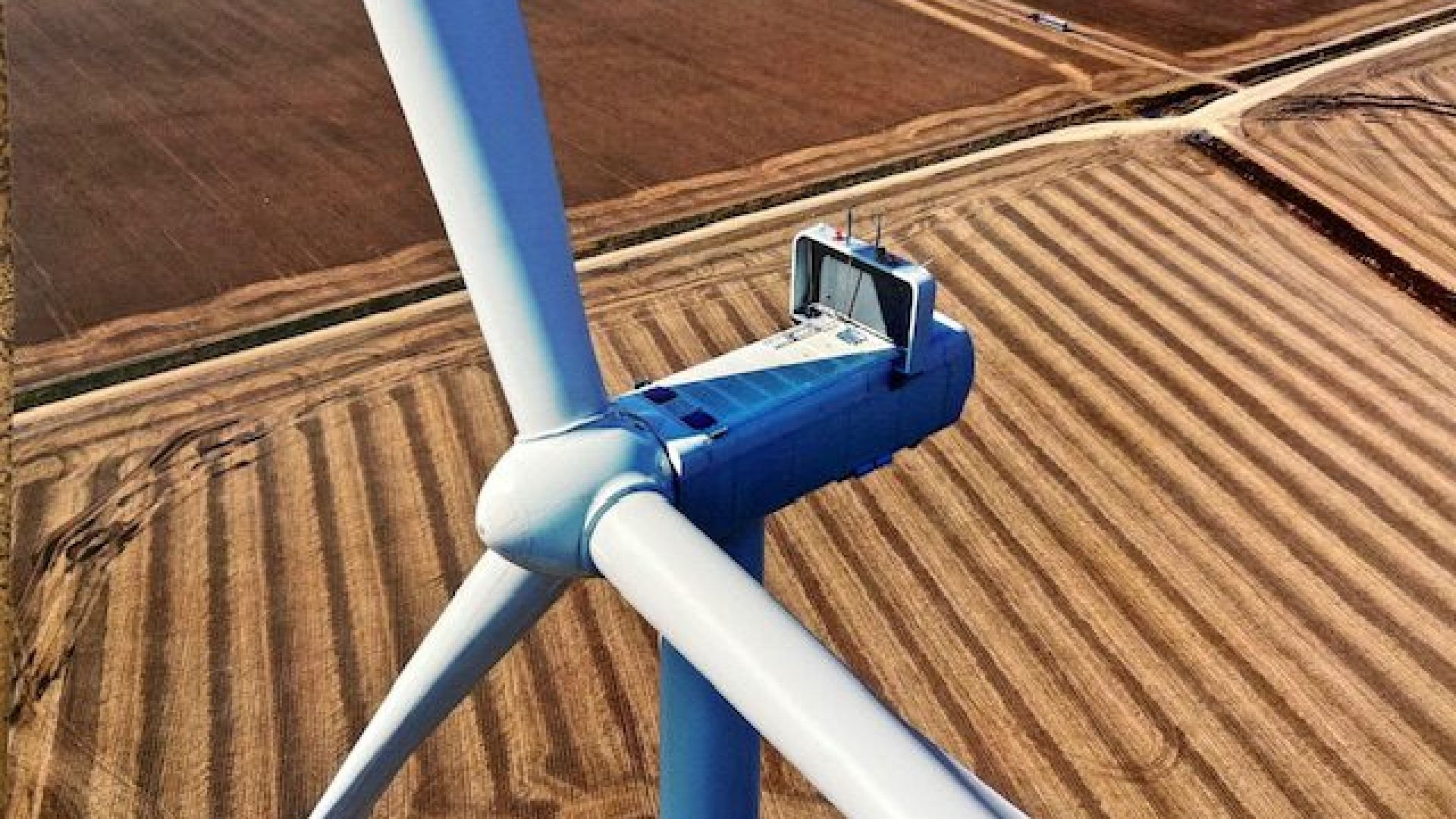
With Arkansas’ growing economy and friendly business environment, wind energy companies are developing the state’s first wind farm projects. Naturally, residents and decisionmakers are curious about these new projects, and have expressed interest in the potential intersection between wind farms and local tourism. Based on available research, wind farms and tourism not only can coexist, but thrive together.
Tourism is an important part of the Arkansas economy. The 2024 Arkansas Tourism Economic Impact Report pegged visitor spending at around $10 billion annually, with nearly 52 million visitors to the Natural State. The top three counties for tourism include:
- Pulaski County (Little Rock metro)
- Benton County (home to Wal-Mart HQ, and the fastest growing region in the state) and
- Garland County (home to Hot Springs National Park and Lake Ouachita)
Together, these counties account for over $4 billion in visitor spending. Yes, tourists love Arkansas’ natural features, but they predominately visit areas with hotels, restaurants, and other amenities.
Wind farm development typically occurs in rural landscapes where land parcels are large enough for economies of scale. High-value tourism locations tend to result in higher property values, which can also dissuade any type of energy infrastructure development. Wind farm development in extremely remote areas - like wilderness areas, national forests, or park lands - is also unlikely, due to a lack of transmission grid infrastructure, and access roads for construction and maintenance.
Wind farm projects are being evaluated in Clay, Cross and Mississippi counties, among others. In some of those counties, tourism revenue and local tax collections are so low, annual payments from a single wind farm development would out-perform the entire local tourism industry.
Yes, wind farms can actually bolster local tourism. This may come as a surprise to some, but wind farms are incredible engineering marvels and people like looking at them. In Puerto Rico, a local wind farm is setting next to an active banana farm that serves as an agritourism excursion. Grant County, West Virginia, boasts trout fishing, national forests, aerial gliders, mountain hikes, cave tours in karst topography, and dark skies events - much like the Ozarks, but all amidst several large wind projects. At the Palm Springs Windmill Tours in California, visitors pay to see turbines up close. Arbuckle Mountain in Oklahoma includes waterfalls, caves, fishing, and river tubing, and a nearby wind farm is an attraction on a “scenic turnout” off I-35. I’ve personally visited all of these areas and they are all stunning, great places to visit. While the wind farms may not have been my only reason to visit these places, the wind farms were definitely an attraction.
Additional wind farm excursions I hope to take someday include fishing near offshore wind farms, visiting the Dutch tulip fields amongst wind turbines, and wind projects with lots of sheep in New Zealand.
While studies exist showing that there’s a common perception that turbines reduce tourism, these perceptions rarely result in measurable declines. Wind turbines do not generally deter tourists, and can be a part of agritourism, ecotourism, nature-based tourism, and the emerging energy tourism market.
It’s worth noting, too, that Arkansas has long been home to energy-based tourism - hydroelectric dams create lakes for recreation, and world class trout fishing opportunities.
Of course, not everyone appreciates wind turbines as a tourist attraction. When the Eiffel Tower (a hulking metal behemoth nearly 1,000 feet tall) was proposed in Paris in the 1800s, local artisans strongly protested against its construction, saying, “We come, we writers, painters, sculptors, architects, lovers of the beauty of Paris which was until now intact, to protest with all our strength and all our indignation, in the name of the underestimated taste of the French, in the name of French art and history under threat, against the erection in the very heart of our capital, of the useless and monstrous Eiffel Tower which popular ill-feeling, so often an arbiter of good sense and justice, has already christened the Tower of Babel.” Some of this same language is used against wind farms today.
Meanwhile, alternatives to wind energy are rarely evaluated as a threat to tourism. Tourists visiting natural gas wellheads, coal mines, or ash ponds isn’t a documented phenomenon in Arkansas. Instagram influencers aren’t snapping selfies in the Arkoma Basin.
But like the Eiffel Tower, wind farms can create a certain uniqueness for a community that other towns lack. If a tourist has the choice between visiting an area with more attractions, or one with fewer, experience suggests the area with more attractions wins out. Many rural towns and communities celebrate their unique identities - and try to create some tourism buzz for their town - by calling themselves the “Trout Capital of the World,” or by having old mills, unique architecture, and localized festivals (Toad Suck Days, anyone?).
However, without these types of unique draws, there’s less of a reason to visit. And just like in Garland or Pulaski counties, these towns and communities rely on these extra guests and the dollars they bring to their economies to help make county budgets work.


