
MISO South has never had a regional transmission planning effort like the Long Range Transmission Planning (LRTP) processes executed in MISO North, but some limited, yet still important progress is being made with regard to planning a more efficient power system.
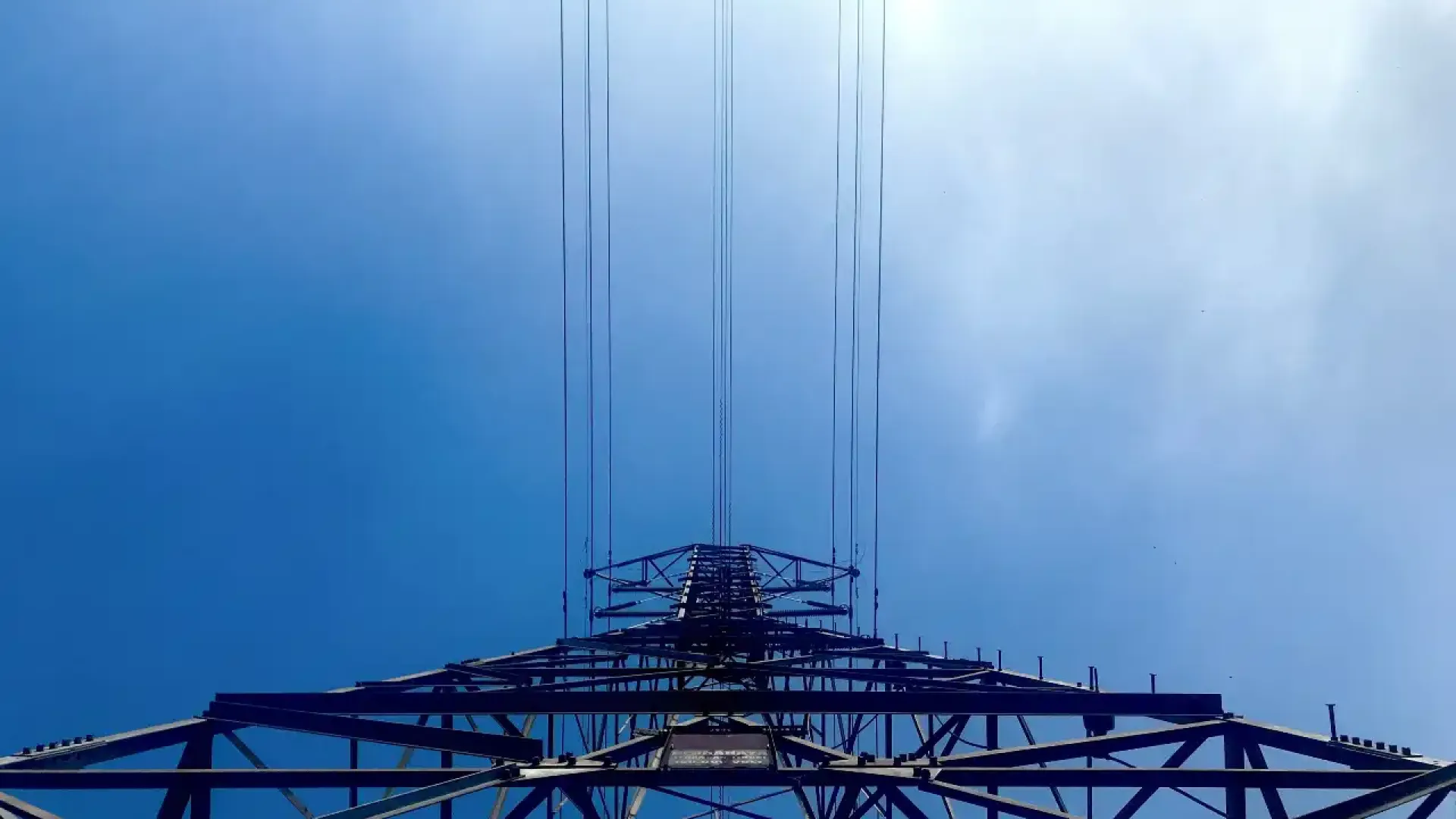
A key solution recently approved by the Louisiana Public Service Commission (LPSC) will give needed reinforcement to Louisiana’s energy system by providing additional connectivity to Southeast Texas, and facilitating power flows along a route that is situated further inland from existing infrastructure, protecting it from the heaviest impacts of hurricanes and heavy winds.
The 500KV Babel to Webre transmission line spans roughly 150 miles from the as yet-to-be-built 500kV Babel substation on the Louisiana-Texas border to the existing 500kV Webre substation roughly 10 miles to the west of Baton Rouge. Combined with the 150 mile long 500kV Running Bear to Babel transmission line approved by the Public Utility Commission of Texas in October 2025, the line will provide the ability to import up to roughly 2GWs of power to constrained areas like the Amite South and Downstream of Gypsy load pockets which have been major factors in recent blackouts like those experienced during Winter Storm Uri in 2021 and the May 25 load shed event in 2025. Additionally, this ‘backbone’ transmission investment provides helpful connectivity that can enable the connection of new cost competitive renewable energy generation in coming years.
As expert witness Michael Goggin, representing SREA in the Babel to Webre proceeding, stated in his testimony, “A diverse portfolio of renewable resources has more constant output, ensuring a higher level of output is available during times of peak demand. The value of transmission for accessing diverse renewable resources is confirmed by a number of regional and national studies.” SREA applauds the LPSC’s approval of the 500kV Babel to Webre line and our settlement with Entergy Louisiana to support this very important solution that increases the stability of the grid in Louisiana for all ratepayers across the state, and we support the line’s ability to integrate affordable, reliable clean energy solutions. We look forward to building on this progress with much more comprehensive planning through the upcoming LRTP MISO South process.


