
One of the most important functions of the Public Service Commission is how the commissioners navigate rate cases. As SREA’s Regulatory Director Whit Cox would say, “Anytime a utility wants something they don’t have, typically they need to get it approved from the Public Service Commission.”
One of those things you can count on a utility wanting is a rate increase.
Historically, utility companies like Entergy Arkansas will apply for a rate increase to recoup the costs of making investments in energy infrastructure– like transmission lines, power plants, substations, and other investments required to deliver power to their customers. During the rate case process, which comes in the form of a docket filed with the commission, the companies, commission staffers, and any outside intervenors will debate back and forth through the administrative law process what would be a fair amount of cash for the utility to raise from customers. Ultimately, the commissioners will make the decision by issuing a public final order that the company must follow.
Each of those dockets are now filed and debated through an online system run by the Public Service Commission, though often evidentiary hearings are held for commission staff and commissioners to air out the various parts of a rate case with opponents and the public.
But let’s walk back a step because you may be asking “What’s an intervenor?” Intervenors, as defined by the APSC website, can be any individual or group that is not otherwise represented and has made a timely written request for and has been granted intervenor status. Intervening in the rate case process is one of several ways you can get involved to either voice your support or opposition to the rate requesting the Commission is considering.
Here is an example. Last year, SWEPCO received a huge rate increase that was approved by the Public Service Commission after nearly a year of going through the process and debating the merit of the increase with numerous groups, like Audubon Delta, Sierra Club, and Arkansas Advanced Energy Association. Those groups, along with SREA, will often hire lawyers and intervene to promote issues like competitive procurement, additional investments in clean energy, and more affordable bills for customers. High profile rate cases will almost always see public hearings in various parts of Arkansas where the public can submit verbal and written comments on cases.
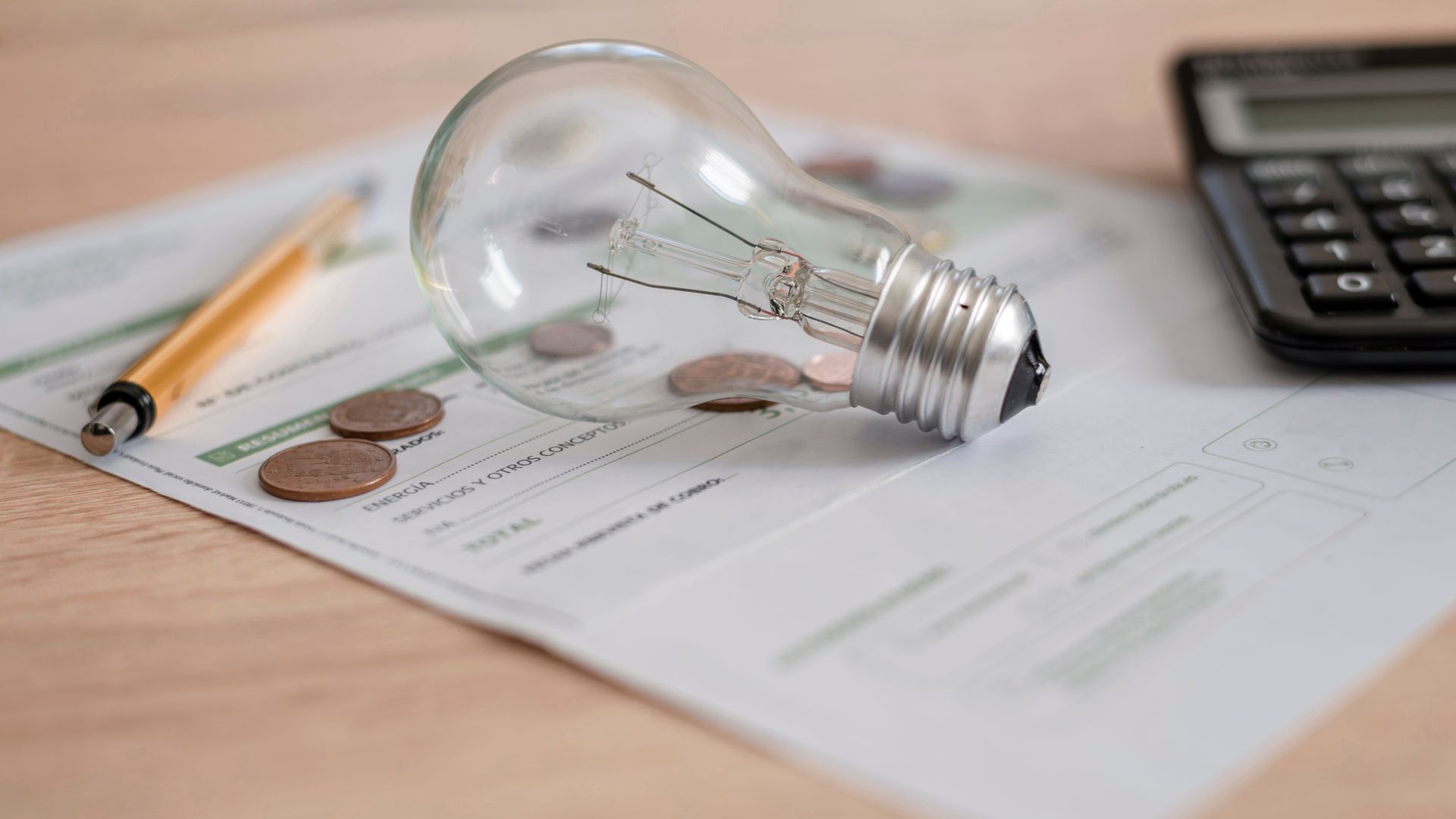
Rates form the base of your electricity bill each month and are typically expressed as a certain amount of cents per kilowatt hour of electricity usage. For Entergy customers, that is currently about $0.13 cents per every kilowatt hour of electricity a residence uses in a given month. Along with energy charges, utilities will assess a fuel charge (based on the price of natural gas and coal to power its power plants), state and county taxes, and other “riders” that all add up to your electricity bill each month. Riders are other add ons to electricity bills that utilities get approved by regulators.
Ultimately, rate cases are some of the most contentious and challenging jobs the Public Service Commission must work on every year, as each rate case has the potential to raise electricity bills for a sizable number of Arkansans. And while we can’t decide for you if participating in the process is worth it, we can say that the Commission does listen to public input.
Former Arkansas PSC Chair Ted Thomas noted in a previous article that commissioners like to hear from the public on rate cases, even though on many matters, people don’t show up to hearings.
“The public participation goes up and down with the public mood, and we typically didn’t have that many people at public hearings,” Thomas said. “But it is important. It’s your job to hear the comments.”
In the next article, we’ll cover the second major issue the Public Service Commission grapples with regularly: adding new power generation to the electricity grid.
Writers with the Southern Renewable Energy Association and Powering Arkansas are writing these stories because regulatory decisions shape everyday life, from affordability to reliability, and yet they’re still often a mystery to the average consumer. Our aim is to provide transparent recaps of these meetings and show how you can participate in public comment or hearings. Keep up with regulatory affairs in Arkansas by following Powering Arkansas on Facebook and sign up for email updates.


